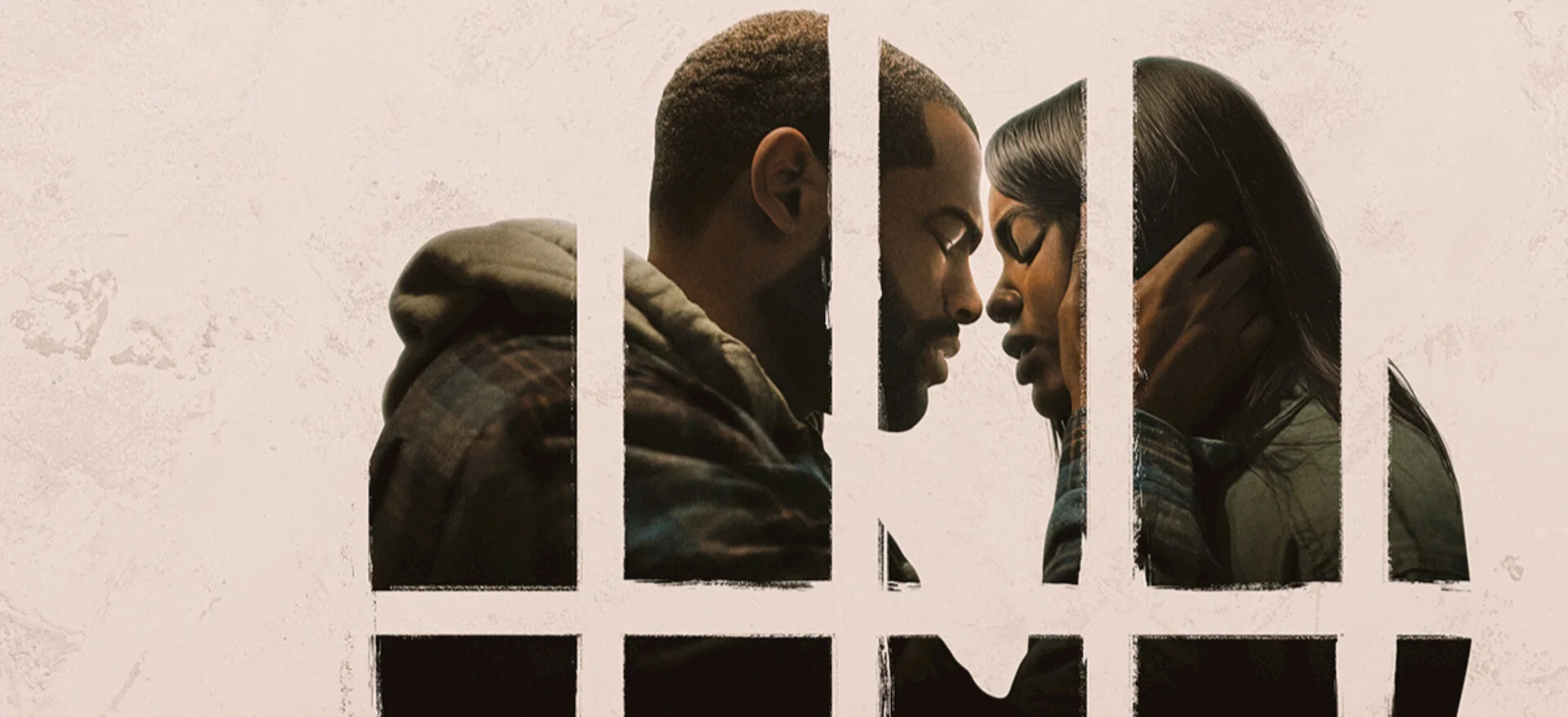
- Letters in the dark are the emotional engine of Tyler Perry's Doing Life on Netflix.
- Core premise: a single mother and an incarcerated man build trust through handwritten letters.
- Central themes: redemption, hope, accountability, and unexpected love.
- Release: October 2, 2026, exclusively on Netflix.
- Key takeaway: the correspondence turns isolation into connection and drives every major choice.
Doing Life Letters in the Dark: Why the Letters Matter
In Doing Life, letters are far more than a plot device. They are the bridge between two isolated worlds: a single mother struggling to hold her family together, and a man serving time who fears his life is already over. The phrase "letters in the dark" captures the film's central image — words written in loneliness, sent into uncertainty, and answered with hope.
The Netflix listing positions Doing Life as a drama/romance from Tyler Perry, starring Naomi Baker, Jay Reeves, Tamberla Perry, Karen Obilom, and Jasmine Sargent. Learn more on the official Netflix title page.
Video Highlights:
- Official trailer introduces the letter exchange and its emotional stakes
- Establishes the prison and family settings that the correspondence connects
- Previews the redemption arc without revealing the ending
Watch how the trailer frames handwriting, envelopes, and visiting-room scenes. These visual motifs signal that communication itself — slow, deliberate, and vulnerable — is the true subject of the film.
The Letter Exchange: How the Relationship Builds
The romance in Doing Life develops in stages, and each stage is marked by what the characters dare to put on paper. Use this breakdown to understand how the correspondence deepens.
First Contact
The exchange begins tentatively. Both writers hedge their words, unsure whether a stranger on the other end can be trusted with the truth of their lives.
Confession and Trust
As replies arrive, the letters grow more honest. The incarcerated man confronts his past; the single mother admits the exhaustion and loneliness she hides from her family.
Dependence and Fear
The correspondence becomes a lifeline. Both characters begin to fear what its loss would mean, raising the emotional stakes of every decision that follows.
Accountability
The relationship is tested when words must become actions. Redemption, the film argues, requires facing consequences rather than escaping them.
Letters slow the story down on purpose. In a world of instant communication, waiting for a reply mirrors the long, uncertain work of rebuilding a life — the film's central metaphor for "doing life."
Characters Connected by the Letters
The Single Mother
- Balances family duty and private longing
- Uses letters to voice what she hides daily
- Her growth hinges on accepting help and love
The Incarcerated Man
- Seeks redemption through honesty
- Writing forces self-examination
- Must prove change beyond words
The Supporting Circle
- Family and friends test the couple's choices
- Tamberla Perry, Karen Obilom, Jasmine Sargent round out the ensemble
- Their reactions dramatize society's judgment
| Element | Role in the Story | Emotional Function |
|---|---|---|
| Handwritten letters | The core connection between leads | Intimacy, patience, trust |
| Prison setting | Physical and moral confinement | Isolation, accountability |
| Family household | The mother's daily battlefield | Duty, sacrifice, love |
| Visiting room | Where letters become faces | Tension, hope, vulnerability |
Articles covering the final act of Doing Life should be read with care. This guide keeps its ending discussion general; full breakdowns belong in dedicated spoiler-marked pages.
Themes: Redemption, Hope, and Second Chances
The title "Doing Life" carries a double meaning — both a prison sentence and the daily work of living. The letters in the dark embody the film's argument that transformation is not a single dramatic moment but an ongoing choice.
| Theme | How the Letters Express It | Key Question Raised |
|---|---|---|
| Redemption | Honest confession on paper precedes real change | Can the past be repaired? |
| Hope | Every answered letter defies despair | Is hope rational or necessary? |
| Love | Affection grows from words before touch | Is love built on truth? |
| Accountability | Promises written must be kept | Do words obligate action? |
Audiences connect with Doing Life because its romance is earned through patience and honesty rather than convenience — a hallmark of Tyler Perry's most emotionally grounded Netflix dramas such as A Jazzman's Blues.
Viewer's Checklist: Watching for the Letters
Things to Track While Watching:
- Note when each letter's tone shifts from guarded to open
- Watch for objects: envelopes, photos, and keepsakes exchanged
- Compare written promises with later actions on screen
- Observe how family members react to the correspondence
- Consider how the ending answers the film's central question
A second viewing rewards attention to early letters — phrases that seem casual often foreshadow the choices that define the final act.
FAQ
Q: What do the letters in the dark represent in Doing Life?
They represent communication born from isolation — a single mother and an incarcerated man exchanging honest words that slowly build trust, hope, and eventually love. The letters are the film's central symbol of redemption through honesty.
Q: Who leads the cast of Doing Life?
The principal cast includes Naomi Baker and Jay Reeves in the central roles, supported by Tamberla Perry, Karen Obilom, and Jasmine Sargent. Tyler Perry writes and directs the film for Netflix.
Q: When and where can I watch Doing Life?
Doing Life premieres October 2, 2026, exclusively on Netflix. The title page offers subtitles, dubbing options in several languages including German, and download support for offline viewing.
Q: Is Doing Life a romance or a drama?
Both. Netflix lists it as a drama/romance. The love story grows out of serious dramatic material — incarceration, single parenthood, and the struggle for accountability and second chances.